샤플 이용료 80% 지원 받기

Store asset management goes beyond counting inventory — it requires tracking physical equipment, digital systems, and operational tools that directly impact your store's profitability. Poor asset tracking leads to 2-5% annual revenue loss through theft, damage, and operational inefficiencies.
Most store managers focus solely on product inventory, missing critical assets that can drain profits when mismanaged. Your store assets extend far beyond merchandise and include equipment, technology, and operational tools that keep your business running.
Physical store assets include point-of-sale systems, display fixtures, security cameras, refrigeration units, cleaning equipment, and promotional materials. These tangible items require regular maintenance, security protocols, and replacement planning. A single POS system failure can cost $5,000 daily in lost sales, making proper tracking essential.
Digital assets encompass software licenses, customer databases, loyalty program data, security system credentials, and cloud storage accounts. Many stores overlook software license renewals, leading to compliance issues and unexpected costs. Your digital assets also include access credentials for suppliers, banks, and corporate systems.
Shopping baskets, hangers, price tags, and promotional signage represent hidden assets that stores frequently ignore. Lost shopping baskets alone can cost retailers $15-25 per basket in replacement costs. These seemingly minor items add up quickly when not properly tracked.
Uniforms, name badges, and training materials also qualify as trackable assets. Staff turnover often results in missing uniforms and equipment, creating ongoing replacement expenses that many managers fail to monitor systematically.
Asset tracking failures create cascading problems that affect daily operations and long-term profitability. These common mistakes occur in 70% of retail stores that rely on outdated tracking methods.
Manual counting introduces human error at every step, with accuracy rates dropping to 60-70% during busy periods. Staff rushing through counts miss items, double-count others, or record incorrect locations. These errors compound over time, creating discrepancies that require extensive investigation.
Temperature fluctuations affect manual counts of refrigerated assets, while lighting conditions impact accuracy for small items. Peak shopping hours create the worst counting conditions, yet many stores schedule asset checks during these periods due to staffing constraints.
Inconsistent documentation creates confusion about asset locations, conditions, and ownership responsibilities. Different staff members use varying terminology for the same equipment, making searches time-consuming and frustrating. Handwritten logs become illegible over time, and temporary notes get lost or forgotten.
Missing purchase dates, warranty information, and maintenance schedules result in premature equipment failures and unnecessary replacement costs. Proper documentation prevents 40% of equipment-related service calls by enabling proactive maintenance scheduling.
Daily asset management requires systematic approaches that prevent problems before they escalate. This checklist takes 15-20 minutes per day but prevents hours of problem-solving later.
Morning Asset Verification Routine
1. Security System Check: Verify all cameras, alarms, and access controls function properly. Test door sensors and panic buttons to ensure emergency responses work correctly.
2. POS System Verification: Confirm all payment terminals, cash registers, and card readers operate normally. Check receipt paper levels and backup power supplies.
3. Climate Control Assessment: Monitor refrigeration units, HVAC systems, and humidity levels. Document any temperature deviations that could affect product quality or equipment performance.
4. Display and Fixture Review: Inspect shelving stability, lighting functionality, and promotional display conditions. Damaged fixtures create liability risks and reduce merchandise appeal.
5. Cleaning Equipment Status: Ensure vacuum cleaners, mops, and cleaning supplies are available and functional. Missing cleaning tools disrupt maintenance schedules and affect store appearance.
End-of-Day Asset Security Protocol
6. Technology Shutdown Sequence: Power down non-essential equipment following manufacturer guidelines. Proper shutdown procedures extend equipment life by 20-30% compared to abrupt power cuts.
7. Security Protocol Activation: Activate alarms, lock secure storage areas, and verify surveillance systems record properly. Document any security concerns or equipment malfunctions for morning follow-up.
The transition from manual to digital asset management requires careful timing and clear justification. Most stores benefit from digital systems when managing 50+ trackable assets or experiencing monthly discrepancies exceeding 5%.
Repeated counting discrepancies indicate system breakdown, especially when the same items show variations across multiple counts. Staff spending more than 2 hours weekly on asset-related searches suggests inefficient tracking methods.
Missing maintenance schedules, expired warranties, and surprise equipment failures point to inadequate documentation systems. When asset-related problems consume 10+ hours monthly, digital solutions typically provide positive ROI within 6 months.
Calculate monthly labor costs for asset-related activities, including counting, searching, and documentation. Add equipment downtime costs, replacement expenses for lost items, and security incident impacts. Digital systems typically reduce these costs by 40-60% while improving accuracy and compliance.
Monthly software costs between $50-200 often pay for themselves through reduced labor hours and prevented losses. Factor in training time, implementation effort, and ongoing support requirements when calculating total ROI.
Asset security extends beyond basic loss prevention to include damage prevention, unauthorized use, and environmental protection. Internal theft accounts for 60% of retail asset losses, making employee training and clear policies essential.
Small, valuable items like tablets, cash register keys, and diagnostic equipment require enhanced security measures. Cable locks, secure storage cabinets, and checkout procedures prevent opportunistic theft while maintaining operational accessibility.
Seasonal equipment and promotional materials face higher theft risks during peak periods. Implement temporary security measures during holiday seasons, sales events, and inventory transitions when asset movement increases significantly.
Train staff to identify suspicious behavior around high-value assets and report security concerns immediately. Clear asset handling procedures prevent 30% of damage-related losses by establishing consistent usage standards.
Regular refresher training ensures new employees understand asset protection responsibilities, while experienced staff stay current with evolving security threats and protection methods.
Monthly audits provide systematic verification of asset tracking accuracy while identifying trends that require management attention. Effective audits balance thoroughness with operational efficiency, focusing on high-risk and high-value items first.
Cycle counting spreads audit workload across multiple days, reducing operational disruption while maintaining accuracy. Focus on different asset categories each week, completing full cycles monthly rather than attempting comprehensive counts in single sessions.
Record specific details about missing, damaged, or mislocated assets, including last known locations and responsible staff members. Discrepancy patterns reveal systematic problems that require process improvements rather than individual corrections.
Create action plans for high-value missing items, including search procedures, replacement authorization, and prevention measures. Track resolution timeframes to identify recurring issues that need management attention.
A. Monthly cycle counting works best for most stores, with quarterly full audits for compliance purposes. High-theft locations may require weekly audits for valuable items, while low-risk stores can extend to quarterly cycles. Audit frequency should match your shrinkage rates — stores with 2%+ monthly discrepancies need weekly verification.
A. Industry standards range from 1.5-2.5% annually for most retail categories, though this varies significantly by store type. Electronics and fashion stores typically see higher rates (2-4%), while grocery stores average 1.5-2%. Monitor monthly trends rather than annual totals to identify problems early.
A. Yes, but manual systems work only for stores with fewer than 50 trackable assets. Spreadsheets and simple databases handle basic tracking for small operations, though they lack automation and real-time updates. Consider digital solutions when manual tracking exceeds 5 hours weekly.
A. Create separate categories for damaged items, including repair costs, replacement timelines, and usage restrictions. Document damage causes to prevent recurring issues — environmental damage suggests facility problems, while impact damage indicates handling training needs. Track repair versus replacement decisions to optimize future purchasing.
A. Focus on items with replacement costs exceeding $100, theft risk above average, or critical operational importance. POS systems, security equipment, and cleaning machines deserve highest priority due to their operational impact. Include items with warranty coverage or maintenance requirements regardless of value.
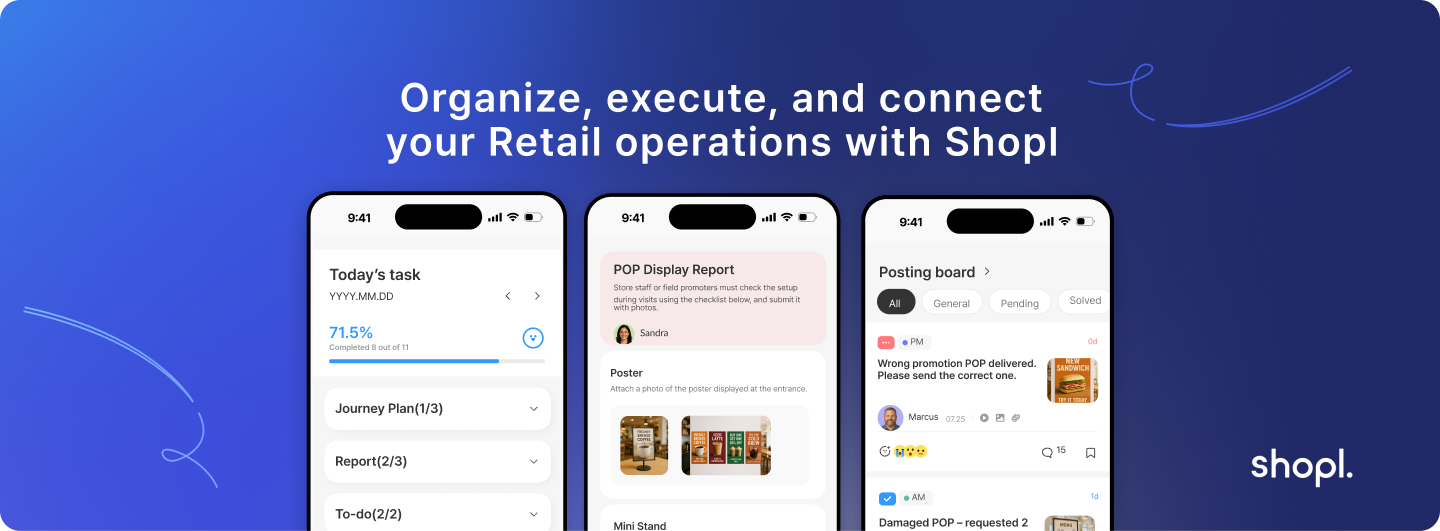
Modern retail operations demand sophisticated asset management approaches that extend far beyond traditional inventory control. Shopl's integrated platform helps retail managers track operational assets alongside workforce scheduling and task management. The system provides real-time visibility into equipment status, maintenance schedules, and asset locations across multiple store locations. Learn more about Shopl's operational management features to see how integrated asset tracking streamlines daily retail operations.
Effective store asset management requires consistent daily practices, monthly verification processes, and clear documentation standards. The investment in proper asset tracking systems pays for itself through reduced losses, improved operational efficiency, and better compliance outcomes. Start with high-value items and gradually expand your tracking scope as processes become routine and staff adapt to new procedures.