샤플 이용료 80% 지원 받기

A comprehensive store audit involves systematically evaluating operations, inventory, staff performance, and customer experience to identify improvement opportunities and ensure compliance standards. Effective store audits typically take 2-4 hours for most retail locations and should be conducted monthly or quarterly depending on store size and complexity. The key to successful audits lies in using structured checklists, digital tools, and following up with actionable improvement plans.
Store audits serve as the foundation for maintaining operational excellence and identifying potential issues before they impact your bottom line. Regular auditing can reduce inventory shrinkage by up to 15% and significantly improve customer satisfaction scores by addressing service gaps and safety concerns proactively.
Many retail managers underestimate the ripple effects of operational inconsistencies. A poorly organized stockroom doesn't just affect inventory accuracy—it slows down restocking, creates safety hazards, and ultimately impacts customer experience when products aren't available on shelves.
The absence of systematic store audits creates blind spots that can be costly. Undetected inventory discrepancies can result in thousands of dollars in losses annually, while safety compliance issues might lead to regulatory fines or customer injury claims.
Employee performance issues left unchecked tend to compound over time. What starts as occasional tardiness or improper cash handling procedures can evolve into serious operational problems that affect team morale and store profitability. Regular audits help identify these patterns early, allowing managers to provide targeted training and support.
Store audits uncover critical metrics that standard reporting might miss. Customer flow patterns, staff productivity during peak hours, and inventory turnover rates become visible through systematic observation and documentation.
These audits also reveal correlations between different operational areas. For example, you might discover that customer complaints spike on days when specific staff members are working, or that certain product displays consistently underperform despite high foot traffic in those areas.
Proper preparation ensures your audit captures accurate data and doesn't disrupt normal store operations. Advance planning can reduce audit time by 30-40% while improving the quality and actionability of your findings.
Start by gathering all necessary documentation at least one week before the scheduled audit. This includes previous audit reports, incident logs, staff schedules, inventory reports, and any customer feedback records from the audit period.
Your audit toolkit should include both physical and digital resources. Digital cameras or smartphones for documenting issues, measuring tools for display compliance, and clipboards or tablets for recording observations are essential items.
Key documents to have ready include employee handbooks, safety protocols, inventory management procedures, customer service standards, and any recent policy updates. Having these materials organized and easily accessible saves time during the actual audit process.
Schedule audits during representative operational periods, not during unusually slow or busy times that don't reflect normal conditions. Tuesday through Thursday mornings typically provide the most accurate snapshot of regular store operations.
Inform your team about the upcoming audit without creating anxiety. Frame it as an opportunity for improvement rather than an evaluation. Encourage staff to maintain normal routines and be available for questions, as their insights often reveal operational challenges that aren't immediately visible.
A comprehensive audit checklist ensures consistency and prevents oversight of critical areas. This systematic approach helps identify patterns across multiple locations and provides benchmarks for improvement.
Begin with operational fundamentals: opening and closing procedures, cash handling protocols, and staff scheduling effectiveness. Document any deviations from established procedures and note whether staff members understand their roles and responsibilities.
Evaluate communication systems between shifts, management accessibility, and how efficiently teams handle customer issues. Observe staff interactions during busy periods to identify bottlenecks or areas where additional training might improve service flow.
Operational AreaKey CheckpointsCommon IssuesCash ManagementRegister balancing proceduresTill security protocolsShift handover documentationMissing signaturesIrregular countsSecurity gapsStaff SchedulingCoverage during peak hoursBreak rotation efficiencySkill mix alignmentUnderstaffingSkill mismatchesPoor communicationCustomer ServiceResponse time standardsProblem resolution trackingStaff product knowledgeInconsistent serviceKnowledge gapsComplaint handling
Inventory accuracy directly impacts both customer satisfaction and profitability. Check stock levels against system records, focusing on high-value and fast-moving items where discrepancies have the greatest impact.
Evaluate product presentation standards including cleanliness, proper pricing, promotional material placement, and adherence to planogram guidelines. Note any safety hazards created by improper stacking or blocked emergency exits.
Walk through your store from a customer's perspective, noting navigation challenges, unclear signage, or areas that feel unsafe or unwelcoming. Time how long it takes to get assistance and evaluate whether staff members proactively offer help.
Safety compliance requires checking emergency exits, first aid supplies, incident reporting procedures, and any industry-specific requirements. Document the location and condition of safety equipment, ensuring it's accessible and properly maintained.
Review procedures for handling returns, exchanges, and discounts to ensure they align with company policies. Examine security camera coverage, alarm system functionality, and employee bag check procedures where applicable.
Analyze patterns in inventory shrinkage, focusing on categories or locations with higher loss rates. This analysis often reveals whether losses stem from theft, damaged goods, or administrative errors.

Even experienced managers can fall into audit pitfalls that reduce the effectiveness of their efforts. Rushing through the process or focusing only on obvious problems often means missing subtle but important operational issues.
The most common mistake is treating audits as one-time events rather than part of an ongoing improvement process. Effective audits require follow-up, tracking of corrective actions, and regular reassessment to ensure problems don't resurface.
Safety compliance cannot be rushed or treated as a checkbox exercise. Inadequate safety auditing can result in serious injuries and significant legal liability. Take time to test equipment, verify training records, and ensure all staff understand emergency procedures.
Many managers focus on visible safety issues while overlooking less obvious hazards like improper lifting techniques, chemical storage problems, or inadequate lighting in storage areas. These issues often cause more injuries than the dramatic hazards that get immediate attention.
Failing to document staff performance patterns during audits creates missed opportunities for coaching and development. Consistent documentation helps identify training needs and recognize high performers who might be ready for additional responsibilities.
This documentation also protects both managers and employees by creating clear records of performance discussions and improvement plans. Without proper documentation, it becomes difficult to address recurring issues or provide fair performance evaluations.
Audit findings are only valuable if they lead to meaningful improvements. Develop specific action plans with deadlines and assigned responsibilities within one week of completing your audit to maintain momentum and ensure accountability.
Prioritize issues based on their potential impact on safety, customer experience, and profitability. Address safety concerns immediately, while operational improvements can be scheduled based on available resources and complexity.
Use a simple matrix to categorize findings: high impact/urgent, high impact/less urgent, low impact/urgent, and low impact/less urgent. Focus 80% of your improvement efforts on high-impact items, regardless of their urgency level.
Some issues may seem urgent but have minimal long-term impact, while others might not feel pressing but could prevent significant problems if addressed proactively. This systematic approach helps allocate limited resources where they'll make the biggest difference.
Effective improvement plans include specific actions, responsible parties, deadlines, and success metrics. Break large improvements into smaller, manageable steps that teams can accomplish alongside their regular duties.
Schedule follow-up checkpoints to monitor progress and adjust plans as needed. Some improvements may reveal additional issues or require more resources than initially anticipated. Regular monitoring helps keep improvement efforts on track and demonstrates management commitment to addressing problems.
Modern retail management increasingly relies on digital tools to improve audit efficiency and data quality. Digital audit platforms can reduce audit time by up to 50% while providing better documentation and easier follow-up tracking.
These tools also enable real-time collaboration between multiple locations, standardize audit procedures across different managers, and create historical data that helps identify long-term trends and improvement opportunities.
Mobile audit applications offer significant advantages over paper-based systems, including photo documentation, automatic timestamping, and immediate data backup. Digital tools eliminate transcription errors and ensure audit data is immediately available for analysis.
However, technology should enhance rather than complicate the audit process. Choose tools that are intuitive for your team and don't require extensive training. The best audit system is one that gets used consistently and provides actionable insights.
Integrated retail management platforms connect audit data with other operational systems, providing context that standalone audit tools cannot offer. When audit findings connect directly with scheduling, inventory, and performance data, managers can identify root causes more quickly and implement more effective solutions.
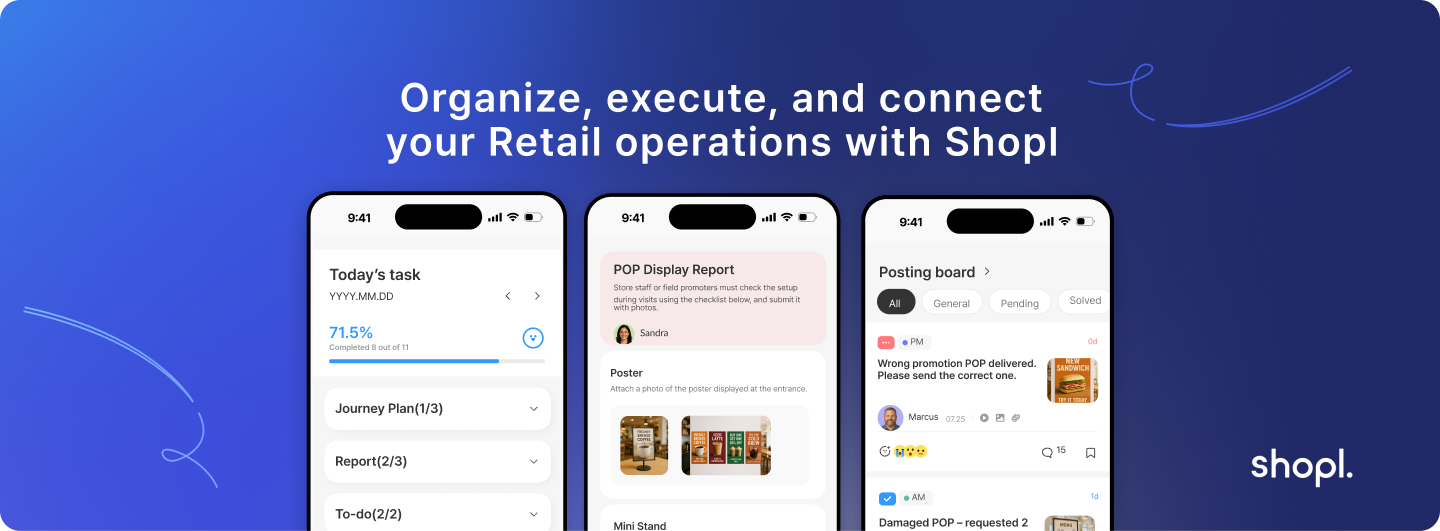
For retail teams managing complex operations across multiple locations, platforms like Shopl provide comprehensive workforce management features that complement audit processes. These integrated solutions help track staff performance trends identified during audits and ensure corrective actions align with broader operational improvements. Learn more about how integrated platforms can streamline your retail operations at Shopl's features page.
For detailed guidance on implementing these management tools effectively, visit the Shopl help center for step-by-step instructions and best practices from retail operations experts.
Q. How often should retail managers conduct store audits?
A. Most retail stores benefit from monthly comprehensive audits, with smaller weekly check-ins focused on specific areas like safety or inventory accuracy. High-volume locations or those with complex operations might require more frequent auditing, while smaller stores can often maintain standards with quarterly comprehensive reviews supplemented by monthly spot checks.
Q. What's the biggest red flag during a store audit?
A. Safety compliance violations represent the most critical red flags, as they can result in immediate harm to customers or employees. However, systematic cash handling irregularities or significant inventory discrepancies also require immediate attention, as they often indicate deeper operational problems or potential fraud that could severely impact profitability.
Q. Can small retail stores benefit from formal audit processes?
A. Absolutely. Small stores often have fewer resources to recover from operational problems, making regular audits even more critical. A simplified audit checklist focusing on key areas like inventory accuracy, safety compliance, and customer service standards can prevent small issues from becoming major problems while requiring minimal time investment.
Q. How long should a thorough store audit take?
A. A comprehensive store audit typically requires 2-4 hours for average-sized retail locations, depending on store complexity and the thoroughness of previous audits. Stores with consistent audit practices can often complete follow-up audits more quickly, while locations with significant issues may require additional time for proper documentation and immediate corrective actions.
Regular store audits transform from operational necessities into strategic advantages when implemented consistently and systematically. The investment of time and resources pays dividends through improved customer satisfaction, reduced losses, and more efficient operations. Remember that the goal isn't perfection in a single audit, but continuous improvement through regular evaluation and responsive action planning.
Successful retail management requires balancing multiple priorities while maintaining consistent standards across all operational areas. Store audits provide the framework for achieving this balance while ensuring your team has the support and resources needed to deliver exceptional customer experiences day after day.