샤플 이용료 80% 지원 받기

Essential workers are the people who keep society running — stocking shelves, delivering packages, caring for patients, and maintaining the infrastructure the rest of us depend on. The term gained widespread recognition during the COVID-19 pandemic, but the realities these workers face existed long before that. This article breaks down who essential workers are, which industries they work in, and the operational challenges that make managing frontline teams so demanding — with a particular focus on retail and distribution environments.
An essential worker is someone whose job keeps critical services running — think healthcare, food supply, logistics, and public transportation. These roles can't be paused or moved online because the work itself requires a physical presence.
There's no single official definition that applies globally, but the COVID-19 pandemic brought the term into everyday conversation. When lockdowns forced offices to close, essential workers were the ones who still had to show up — and in doing so, they kept communities functioning. That visibility sparked broader recognition of just how much these roles underpin daily life.
The most defining characteristic of essential work is simple: you have to be there in person, and switching to remote work isn't an option. That shapes nearly every other aspect of how these teams operate, from scheduling to employment structure.
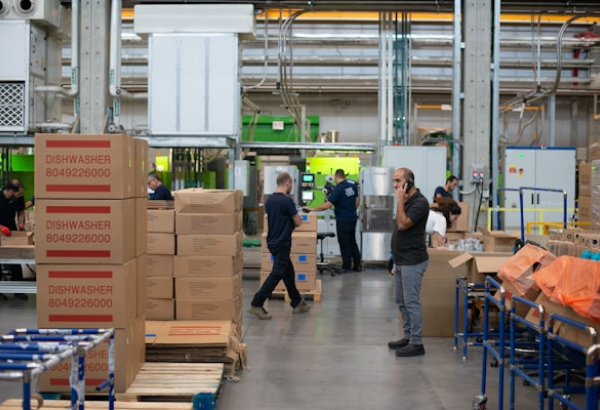
Store associates at grocery chains, convenience stores, and drugstores handle the day-to-day tasks that keep shelves stocked and customers served — checkouts, product displays, inventory, and cleaning. In most retail environments, part-time and hourly workers make up a significant share of the workforce, which means staff turnover is high and scheduling is a constant juggling act.
Warehouse pickers, sorters, delivery drivers, and distribution center staff fall into this category. Demand has surged with the growth of e-commerce, and the nature of the work often means early starts, late finishes, and overnight shifts.
Nurses, medical assistants, care home staff, and disability support workers are among the most visible essential workers. In facilities that operate around the clock, night shifts and weekend coverage aren't exceptions — they're the norm.
Bus and train operators, utility maintenance crews, building managers, and waste collection workers all keep the physical backbone of society intact. These roles simply cannot be shut down or deferred.
Childcare workers, teachers, government service staff, and workers in farming, fishing, and forestry also play an essential role in keeping communities stable. Even during a pandemic, these roles require showing up in person — there's no remote substitute for what they do.
Frontline teams keep essential services running across retail stores, healthcare facilities, warehouses, logistics hubs, and other critical workplaces. Because these operations depend on people being on-site, remote work is rarely an option. Shift work, nights, weekends, and holiday coverage are also common, making workforce management more complex than in a typical office environment.
Many frontline organizations also rely on a mix of full-time, part-time, and temporary employees working across multiple shifts. As operations grow, managers often face challenges like these.
Frontline operations can't simply pause when someone calls in sick. Managers need to find replacements quickly, adjust schedules, and keep operations running without disrupting service. In many workplaces, this still means calling or messaging employees one by one to check availability.
▸ Effortlessly Manage 2-2-3 Shift Schedules with Shopl >
Multiple shifts, overtime, and overnight work make accurate time tracking essential. As workforce size and scheduling complexity increase, verifying attendance manually becomes more time-consuming. Missing or incorrect records can also affect payroll accuracy and labor compliance.
▸ How to manage attendance irregularities like lateness and offsite work >
Approving time off is only part of the job. Managers also need to ensure every shift remains adequately staffed. Tracking leave balances while reorganizing schedules can become increasingly difficult, especially in high-turnover environments.
▸ Manage Annual Leave & Other Leave Requests Without Paperwork >
Retail, healthcare, logistics, and facility operations all rely on routine inspections and task completion records. When documentation depends on paper forms or verbal confirmation, it's harder to identify missing tasks or verify who completed what when an issue occurs.
▸ Collect Structured Work Reports Without WhatsApp or Chat Apps >

If building and managing shift schedules is eating into your week, Shopl's Schedule feature is built for exactly this. Set up shift templates for your different staff patterns once, and distributing the schedule becomes a matter of a few clicks. As you build out the rota, daily headcounts, working hours, and day-off totals are calculated automatically — so you always have a clear picture of coverage. Full-time, part-time, and hourly staff can all be managed in one place, and any changes to the schedule are pushed to employees instantly through the app.

For teams struggling with inspection checklists and task records that depend too heavily on one person, Shopl's Report feature closes that gap. Managers can build custom report forms for any recurring task — opening checks, temperature logs, display audits — and distribute them to the right staff. Employees submit completed reports directly from their phones, and results land in the manager's dashboard in real time. No more follow-up calls to confirm whether the check was done, and no more records that only exist on a clipboard somewhere.
Shopl also covers attendance tracking and leave management, giving frontline managers a single place to handle the full range of day-to-day operational needs. Learn more at the Shopl official website.
A. Roles that can be performed entirely remotely are generally not classified as essential worker positions. This includes software engineers, marketers, consultants, designers, and corporate functions like finance or HR — jobs where all you need is an internet connection and a laptop. That said, there's no universal official definition, and the line between "essential" and "non-essential" can shift depending on the industry, context, and region.
Essential workers carry some of the most important responsibilities in any community — and the managers who support them deserve tools that match the complexity of what they're managing. Getting the right systems in place for recordkeeping and team communication is where stable, reliable operations begin.